 English
 Français
 Español
 Português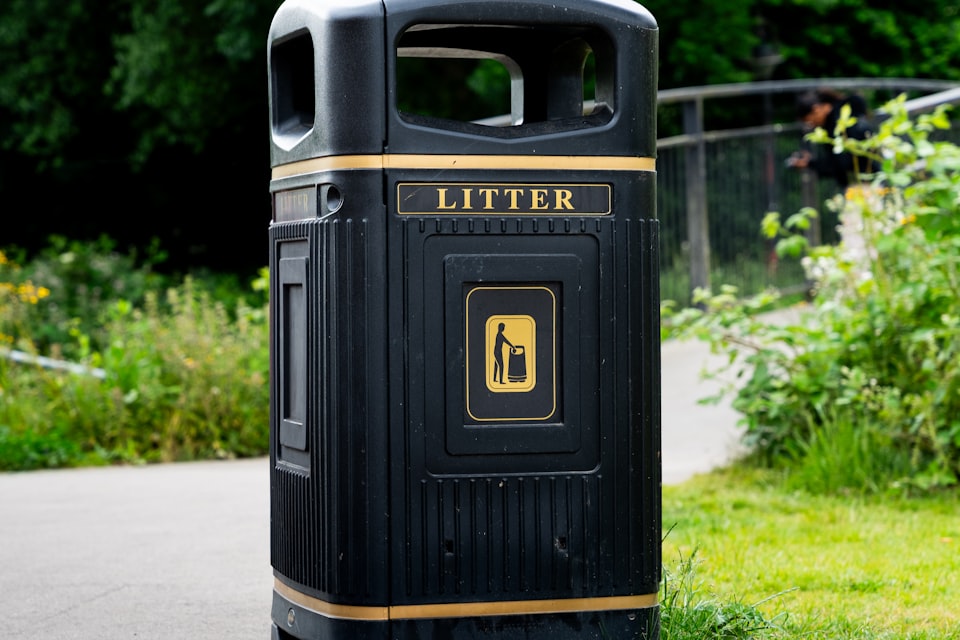
Nobody starts a campsite because they love thinking about bins. But campsite waste management is one of those jobs that quietly makes or breaks the guest experience, and it is also one of the few areas where you have a genuine legal duty of care as a business owner. Get it wrong and you end up with overflowing bins on a bank holiday Saturday, a fly tipping problem in the far corner of the field, and a fine from the council for putting the wrong thing in the wrong bag. Get it right and it barely crosses your mind from one week to the next.
This guide covers what you actually need to know: your legal responsibilities as a UK site, how to set up bins and collection points that work for your size of site, what to do about chemical toilet and grey waste, how to get guests to actually recycle properly, and how to choose a waste contractor without overpaying.
Your legal duty of care as a campsite
As soon as you take paying guests, your waste stops being household rubbish and becomes commercial waste in the eyes of the law, even on a small CL or CS site with just a handful of pitches. That matters because commercial waste has its own rules under the Environmental Protection Act, and councils do enforce them, particularly around fly tipping and the misuse of public bins.
A few things worth knowing:
- You cannot simply add guest waste to your household bin collection. You need a registered waste carrier, either a private contractor or your local council's trade waste service, and you should keep the paperwork (a waste transfer note) for at least two years
- England's Simpler Recycling rules require businesses, including campsites, to sort waste into separate streams: food waste, paper and card, plastic and metal packaging, and glass. Small sites with fewer than 10 full time equivalent staff have a longer transition period, but it is worth getting ahead of it rather than scrambling later
- Fly tipping on or near your land is your problem to report and, in some cases, your problem to clear, so a well organised bin area genuinely protects you from bigger headaches down the line
- If you offer any food service, even a small honesty shop or breakfast bacon rolls, you have extra obligations around food waste caddies and pest control
None of this needs to be complicated. Most sites just need a simple written note of who collects their waste, how often, and what goes where, kept alongside the rest of your site's compliance paperwork.
Setting up bins and collection points that actually work
Where you put your bins matters almost as much as how many you have. A single overflowing bin by the entrance is worse than three well placed bins guests can actually find.
- Site more than one collection point on larger sites. If your park has 20 or more pitches, one central bin store means long walks and, inevitably, bags left outside tents overnight. Spread two or three smaller points around the site instead
- Keep them away from pitches but not too far. Twenty to thirty metres from the nearest pitch is usually the sweet spot: close enough that guests use them, far enough that smells and wasps do not become a problem
- Use lidded, wildlife proof bins. Gulls, crows, foxes and badgers will all take advantage of an open bin, and a torn bag on a Sunday morning is not the first impression you want to make
- Site them on hardstanding, not grass. Bin areas on grass churn to mud fast, especially with wheelie bins being dragged in and out for collection
- Light the area if guests will use it after dark. A simple solar light at each bin point avoids the classic complaint about not being able to find the recycling bin in the dark
If you are laying out a new site or reviewing your park layout and pitches, it is worth marking bin points on your site plan at the same time as electric hook ups and water taps, rather than as an afterthought once pitches are already marked out.
Chemical toilet and grey waste points
This is the part of campsite waste that catches new owners out, because it is specific to camping and caravanning rather than general commercial waste. If you take touring caravans and motorhomes, you need a dedicated chemical toilet disposal point, often called an Elsan point, that is separate from your general drains and clearly signed.
- A proper Elsan point should be a dedicated drain, ideally with a flushing water supply, positioned away from pitches and water points to avoid any risk of contamination
- Grey waste (washing up and shower water) should have its own disposal point too, and should never be tipped onto grass or into surface water drains
- Sign both clearly, ideally with simple icons rather than just text, since not every guest reads English as a first language
- Include the location on your park map or welcome pack so guests find it on arrival rather than asking at reception at 11pm
Even small CL sites with only five pitches need to think about this if they take touring units. It is a small piece of infrastructure, but it is the sort of thing guests notice and mention in reviews when it is missing or hard to find.
Getting guests to actually recycle properly
Most guests want to do the right thing with their rubbish. The problem is usually that they do not know your system, especially if every campsite they have stayed at does it slightly differently.
- Use simple, consistent colours and icons on every bin, matching what your local council uses if you can, since guests recognise it from home
- Put a short, friendly note about recycling in your welcome pack or arrival email rather than relying on signage alone
- Avoid long lists of exceptions. "Card and paper here, plastic and cans here, glass here, everything else in general waste" is easier to follow than a detailed breakdown of what counts as recyclable plastic
- Do a quick bin check during your daily walk round in peak season, and quietly correct any obvious contamination before it becomes a habit for other guests to copy
If you already send an automated pre-arrival or welcome message through CampSuite's guest comms, adding a line about where the bins and recycling points are takes two minutes to set up and then runs itself for every future guest.
Choosing a waste contractor without overpaying
Commercial waste collection is one of those costs that creeps up quietly if nobody reviews it. A few practical points when choosing or renewing a contract:
- Match the collection size to your season, not your peak. Many contractors will let you scale from a smaller bin in winter to a larger one or an extra collection in July and August, rather than paying for peak capacity all year
- Ask about recycling collection separately. Recycling waste is often cheaper to dispose of than general waste, so splitting the two properly can genuinely reduce your bill, not just your environmental impact
- Compare against your council's trade waste service. For small sites, council collections are sometimes cheaper and simpler than a private contractor, particularly if you are already paying business rates
- Get quotes every couple of years. Waste contracts tend to auto-renew at a higher rate unless you actively shop around, so a calendar reminder to review pricing pays for itself
- Keep the waste transfer note filed. Whichever contractor you use, ask for documentation each time your contract renews and keep it with your other compliance records
A simple recurring task, such as "review waste contract" set once a year in your job sheets and checklists, is an easy way to make sure this never quietly slips for three years while your bill creeps up.
Seasonal pressure points to plan for
Waste problems rarely happen in quiet October. They happen on the bank holiday Saturday when every pitch is full, the sun is out, and everyone is having a barbecue at the same time. A few things help:
- Book an extra collection or larger skip ahead of known busy weekends rather than waiting to see if the bins cope
- Put out a spare bin or two during major events and bank holidays, even if you store them empty the rest of the year
- Brief any seasonal staff on where things go and what to check during a bin round, so the job does not fall entirely on you
- Check bins earlier in the day during hot weather, since food waste attracts wasps and smells far faster in the heat
The key takeaway
Campsite waste and recycling is not glamorous, but it is one of the cheapest ways to protect your reputation and stay on the right side of the law. Get your legal basics sorted, place your bins where guests will actually use them, sign your chemical toilet point clearly, and review your contractor pricing every couple of years. None of it takes long once it is set up properly, and it is exactly the kind of quiet, well run detail that turns a good stay into a five star review.
If you would like your welcome messages, site information and recurring maintenance tasks running automatically instead of living in your head, try CampSuite free today. Setup takes about 15 minutes and it is free for CL and CS sites, with no card required to get started.