 English
 Français
 Español
 Português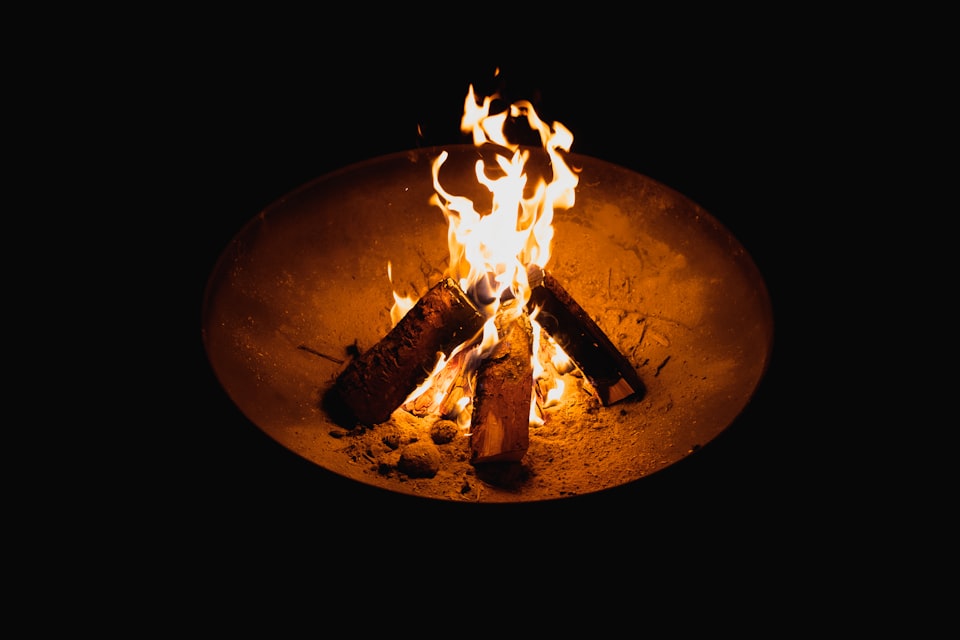
Ask ten campsite owners whether they allow campfires and you will get ten different answers, and most of them will start with "it depends." That is fair enough. Fire pit and campfire rules are one of those areas where there is no single right answer, only the right answer for your site, your insurance and the guests you attract. But "it depends" is not a policy, and turning up to check in a family who assume they can have a fire tonight, only to find out you do not allow it, is a bad way to start their stay. This guide walks through how to decide what to allow, how to write rules guests will actually follow, and how to keep fire pits a highlight of the stay rather than a source of stress.
Whether you run a single CL, a handful of CS pitches, or a larger touring park, campfire rules sit right at the crossroads of guest experience and risk management. Get them right and a fire pit becomes one of the best parts of your reviews. Get them vague and it becomes the thing a neighbour complains about or an insurer asks awkward questions over.
Decide what you are actually allowing
Before you write a single rule, work out what you are willing to have burning on your land. These are not the same thing, and lumping them together under one vague "campfires allowed" sign is where most confusion starts.
- Open ground fires. Flames lit directly on grass or bare earth. Highest risk of scorching, spreading and leaving a mess behind, and the option most sites have moved away from
- Raised fire pits or braziers. A metal bowl or basket that keeps the fire off the ground. Far easier to control, easier to clean up after, and the middle ground most UK sites now settle on
- Disposable barbecues. Cheap, popular with guests, and a genuine fire risk if left directly on grass. Many sites now ask guests to use a stand or paving slab underneath
- Communal fire pit only. One managed fire area for the whole site rather than individual pitch fires, which gives you far more control over size, timing and supervision
There is no wrong choice here as long as it matches your land, your pitch spacing and what your insurer will actually cover. A tightly packed CS with pitches close together is a different proposition to a spacious touring park where units sit well apart. If you are still setting up your pitch layout, it is worth deciding your fire policy at the same time, since pitch spacing and fire rules genuinely influence each other.
Check your insurance before you check the trend
Campfires photograph beautifully and guests love them, which is exactly why it is tempting to say yes without checking the small print first. Call your public liability insurer and ask directly whether campfires or fire pits are covered, and whether that cover depends on conditions such as supervision, distance from tents, or a maximum fire size. Some policies are silent on the point until you actually need them, which is the worst time to find out.
If you allow guests to bring their own fire pits rather than providing communal ones, ask your insurer how that changes things too. A guest's own equipment failing or being used incorrectly can land differently on a claim than an incident involving something you supplied and maintained yourself.
Write rules a guest will actually read
A laminated sheet of twelve bullet points pinned inside reception does not count as communication if nobody reads it. Guests skim. Keep your campfire rules short, specific and focused on the handful of things that actually matter, rather than covering every conceivable scenario.
- Where fires are and are not permitted, stated plainly rather than "use common sense"
- A minimum distance from tents, caravans, hedges and trees
- What fuel is allowed. Seasoned logs only is a common and sensible line, since damp or treated wood smokes badly and upsets neighbouring pitches
- A cut off time in the evening, both for noise and so fires are not left unattended overnight
- Who is responsible for extinguishing it properly, and how. Water, not sand, is usually the right answer for a UK site
- What happens on a fire ban day, and how you will let guests know
Put the short version on a sign near any communal fire area, and put the full version somewhere guests will see it before they arrive, not after. A pre-arrival message through your guest communications setup, sent automatically a day or two before check in, does more to prevent an awkward conversation at the barrier than any amount of signage ever will.
Where to actually put a fire pit area
If you are setting up a dedicated fire pit area rather than allowing fires on individual pitches, position matters more than most owners expect. A few things worth getting right from the start:
- Downwind of the pitches you expect to be busiest, so smoke does not drift straight into open awnings on a still evening
- On hardstanding or bare ground rather than grass, so scorch marks do not become a maintenance job every few weeks
- Away from overhanging branches and anything that catches sparks on a breezy night
- Close enough to be sociable but far enough from static caravans, gas bottles and hookup points to satisfy any sensible risk assessment
- Within sight of reception or a well used path, since a fire area nobody can see is a fire area nobody is checking on
A well placed fire pit area often becomes the social heart of a site. Guests gather there in the evening, chat with people they would never otherwise meet, and it is frequently the thing that shows up in reviews and photos. That word of mouth value is real, so it is worth the ten minutes it takes to think through the position properly rather than sticking a bowl wherever there happened to be a gap.
Handling dry spells and fire ban days
The UK does not think of itself as a wildfire risk country, but a hot, dry spell in May or June can turn tinder dry grass into a genuine hazard within days. Build a simple trigger into your routine, such as checking the Met Office fire severity information or your local fire and rescue service's guidance whenever there has been more than a week without meaningful rain.
Decide in advance what a fire ban actually looks like on your site. Does it mean no open fires but disposable barbecues on stands are still fine? Does it apply to the whole site or just grass pitches? Having this worked out before the first hot week of the season means you are not making the call under pressure with guests already asking why the fire pit is roped off.
What to do when a guest ignores the rules
Even with clear signage and a pre-arrival message, someone will occasionally light a fire where they should not, or leave one burning after your cut off time. Have a plan for this that does not rely on confrontation at 11pm. A polite, direct conversation covers most cases. For anything more serious, having the rule written down in your terms and conditions, and referenced in your booking confirmation, gives you something concrete to point to rather than relying on memory of what was said at check in.
If you manage bookings through a proper campsite booking system, it is worth adding a note field or automated message specifically about fire policy, so every booking carries a record that the guest was told the rules, not just a hope that they read the sign.
The key takeaway
Campfires and fire pits are one of the simplest ways to make a stay memorable, and one of the easiest things to get wrong if the rules only exist in your head. Decide clearly what you allow, check your insurance actually covers it, put the fire area somewhere sensible, and tell guests the rules before they arrive rather than after they have already lit one. Do that and a fire pit stops being a risk you manage and becomes one of the reasons guests come back.
If you want guest communication that handles this automatically, sending your fire policy, arrival details and site rules before anyone even reaches the gate, try CampSuite free today. It is free for CL and CS sites, takes about 15 minutes to set up, and no card is required to get started.