 English
 Français
 Español
 Português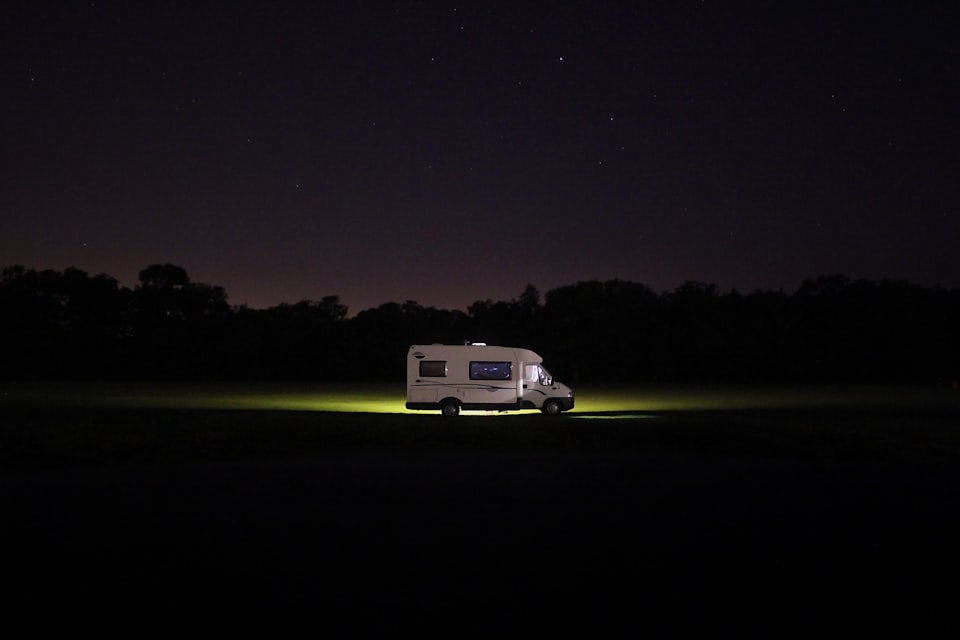
It's ten past eleven on a Friday night. A motorhome pulls onto your site, headlights sweeping across the field, engine ticking as it cools. You are tucked up in bed, and rightly so. But the guest still needs to know where to park, what the Wi-Fi code is, and that the water point is by the third hedge along. This is exactly the situation self check-in was built to solve, and it is one of the most useful systems a UK campsite owner can put in place, whether you run a five pitch CL or a forty pitch touring park.
Self check-in means a guest can arrive, find their pitch and settle in without you needing to meet them at the gate. Done well, it is not a compromise on service. It is often the better experience, particularly for late arrivals, returning guests and anyone running a site alongside a full time job or without a reception building. Here is how to set it up properly.
Why Self Check-In Works So Well for UK Sites
Plenty of British campsites are run by one person, often part time, often without a warden living on site around the clock. That is especially true for CL and CS sites, where the whole point of the scheme is a small, low key setup rather than a manned reception desk. Even on larger parks, staff cannot realistically be on the gate from dawn until midnight seven days a week.
Offering self check-in solves three problems at once. It removes the pressure to be available at all hours. It gives guests who travel long distances, or get delayed on the road, the freedom to arrive when they actually arrive rather than rushing to beat a cut off time. And it frees you up to focus on the guests who do need a proper conversation, rather than repeating the same directions to every car that pulls in.
What Needs to Be in Place First
Self check-in only works if the groundwork is done well before the guest sets off. Skip this step and you end up with confused arrivals wandering the field with a torch, which defeats the point entirely. Before you offer it, make sure you have:
- The pitch already allocated, so there is no decision to make on arrival
- Payment settled or a clear balance shown, so there is nothing to chase later
- Guest details captured at booking, including vehicle registration and number of occupants
- A way to reach you if something genuinely goes wrong after hours
A proper booking system handles most of this automatically, pulling guest details and payment status into one record so you are not hunting through texts and spreadsheets at nine o'clock at night trying to remember whether pitch twelve has actually paid.
Choosing Your Access Method
There is no single right way to give guests access when you are not there to hand over a key. What matters is picking something reliable that will not leave someone stranded in the dark. The most common options for UK sites are:
- A key safe or lockbox fixed near the entrance, holding a spare key or a barrier fob, with the code sent to the guest ahead of arrival
- A keypad entry gate or barrier with a code that changes for each booking or each week
- An honesty style open site, common on many CL and CS pitches, where the gate is simply unlocked and the guest finds their own pitch using a map and pitch marker
- A dropbox or noticeboard where a welcome pack and any physical items are left ready and waiting
Whichever method you choose, test it yourself before you rely on it. Walk through the process exactly as a tired guest would at eleven at night, torch in one hand, phone signal patchy. If any part of it is fiddly for you in daylight, it will be worse for someone else in the dark.
Changing codes safely
If you use a keypad or key safe, change the code between bookings rather than leaving the same one in place for months. It takes thirty seconds and closes off the obvious risk of an old guest, or someone they mentioned it to, letting themselves back in later.
Writing a Welcome Pack Guests Can Follow Without You
The welcome pack is doing the job you would normally do in person, so it needs to cover everything a guest would ask you at the gate. Keep it short, practical and easy to read by torchlight. A good welcome message or printed sheet should include:
- Pitch number and a simple description of how to find it
- Wi-Fi network name and password
- Location of the nearest water point, bins and toilet or shower block
- Quiet hours and any rules on fires, dogs or vehicle movement after dark
- A phone number for genuine emergencies, clearly marked as such
- Checkout time and instructions for leaving
Send this through automated guest messages a day or two before arrival, and again on the morning of the booking with the access code included. That way it arrives when it is actually useful, not buried in an email from three weeks ago that nobody can find at eleven at night.
Take Payments Care of Before They Arrive
Nothing undermines self check-in quite like a guest turning up owing money with nobody around to take it. Settle this in advance wherever you can. A deposit at the time of booking, followed by the balance collected automatically a few days beforehand through online card payments, means there is genuinely nothing left to sort out on arrival. The guest gets a receipt, you get paid, and the whole transaction happens without either of you doing anything on the night itself.
For guests who prefer to pay in person, it is worth restricting self check-in to those who have already paid in full, and simply asking pay on arrival guests to check in during staffed hours instead. It keeps the system clean and avoids awkward conversations about outstanding balances weeks after the visit.
Safety Still Comes First
Self check-in does not mean stepping back from your responsibilities as a site owner. You still need a clear fire safety plan, an emergency contact number that is genuinely answered, and pitch layouts that are safe to navigate after dark, including basic lighting near shared facilities where possible. Let your insurer know you offer unattended arrivals, since some policies expect this to be documented. It is a five minute phone call that avoids a much bigger headache if something ever goes wrong.
It is also worth keeping a simple record of who has arrived and when, even if nobody greeted them personally. A digital check-in system that updates automatically once a guest confirms their arrival gives you an accurate picture of who is actually on site at any given moment, which matters for safety as much as it does for admin.
When Self Check-In Is Not the Right Fit
It is not for every booking or every site. Large groups arriving for the first time often benefit from a proper welcome and a quick tour. Sites with complicated pitch layouts or shared facilities that are easy to miss in the dark may need a staffed introduction, at least on a guest's first visit. And if you are running events, rallies or peak weekends where you want more control over who is coming and going, a staffed check-in gives you that oversight in a way self check-in cannot.
The trick is offering both. Let regulars, late arrivals and confident solo travellers help themselves, and reserve a proper face to face welcome for guests who need or want it. Nobody has to choose one system for the whole site.
Bringing It All Together
Self check-in is not about disappearing from your own campsite. It is about removing the parts of arrival day that genuinely do not need you there in person, so you can focus your time and energy on the guests and jobs that do. Get the pitch allocated, the payment settled, the access sorted and the welcome pack written, and a car pulling in at eleven at night becomes a non event rather than a phone call waking you up.
If you are still juggling paper booking sheets and text messages to sort out arrivals, give CampSuite™ a try. It keeps bookings, guest details, payments and check-in status in one place, so whether a guest arrives at midday or midnight, everything they need is already sorted.